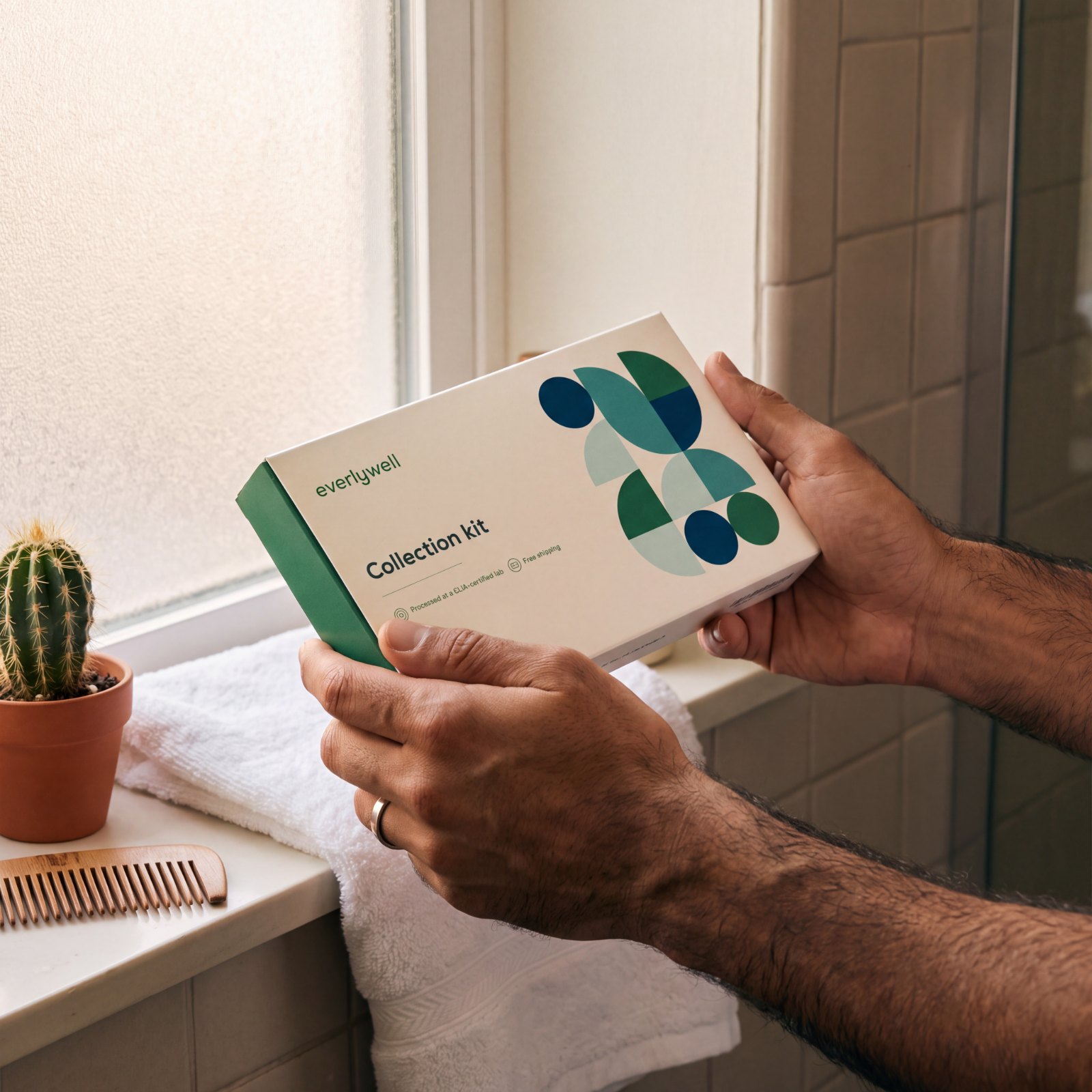
Syphilis Test
Syphilis antibodies, from one finger prick.
- Free shipping, both ways
- FSA / HSA accepted, or pay over time
- Ships to every state except New York
About this test
This at-home lab test screens for antibodies to Treponema pallidum, the bacterium responsible for causing the sexually transmitted infection syphilis. If your results are positive or abnormal, you’ll be able to connect with our Care Team at no additional cost to discuss your particular case and potential next steps.
- Measures antibodies to Treponema pallidum
- Finger prick sample

Who should take this test?
While many people with syphilis infections don’t have symptoms, there are some signs to look out for in those who may have been exposed.
The CDC recommends testing for
- Anyone who has had sexual contact with a person known to be infected with syphilis
- Men having sex with other men (regardless of sexuality)
- Pregnant women
- Sexually active people with HIV infections
- Anyone taking PrEP for HIV prevention
Body
- Muscle aches
- Weight loss
- Fever
- Fatigue
Groin
- Enlarged groin lymph nodes
Reproductive
- Painless sores on or near the genitals
Skin
- Rash (especially on palms of hands)
What does this test measure?
Your results will tell you whether or not syphilis antibodies were detected in your sample. Because this is a treponemal test, it can’t be used to differentiate between an active syphilis infection and a successfully treated syphilis infection. If your results are positive or abnormal, you’ll be able to connect with our independent physician network at no additional cost.
- Syphilis antibodies
- Syphilis is caused by the bacterium Treponema pallidum. Syphilis is divided into stages (primary, secondary, latent, and tertiary).
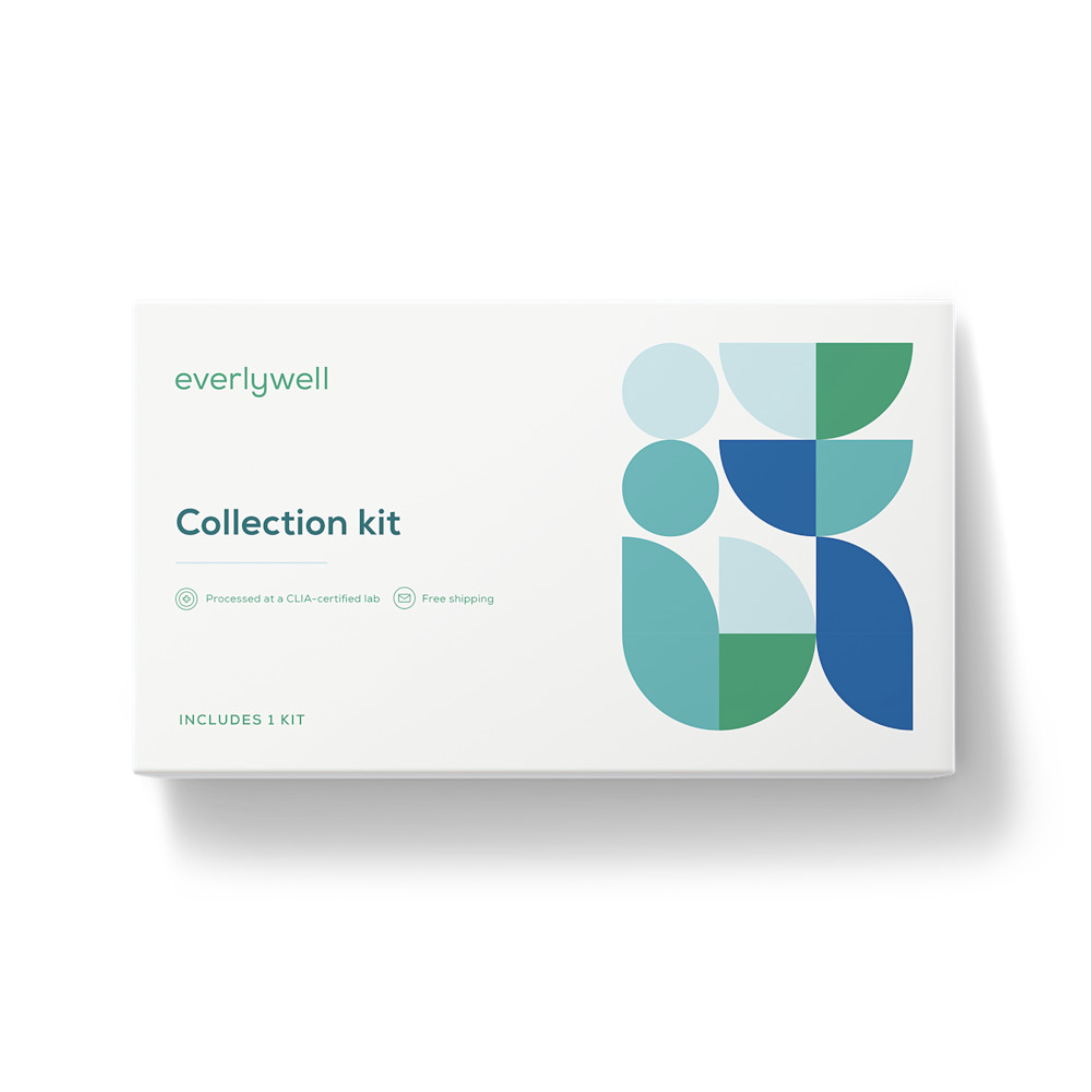
What’s in the box
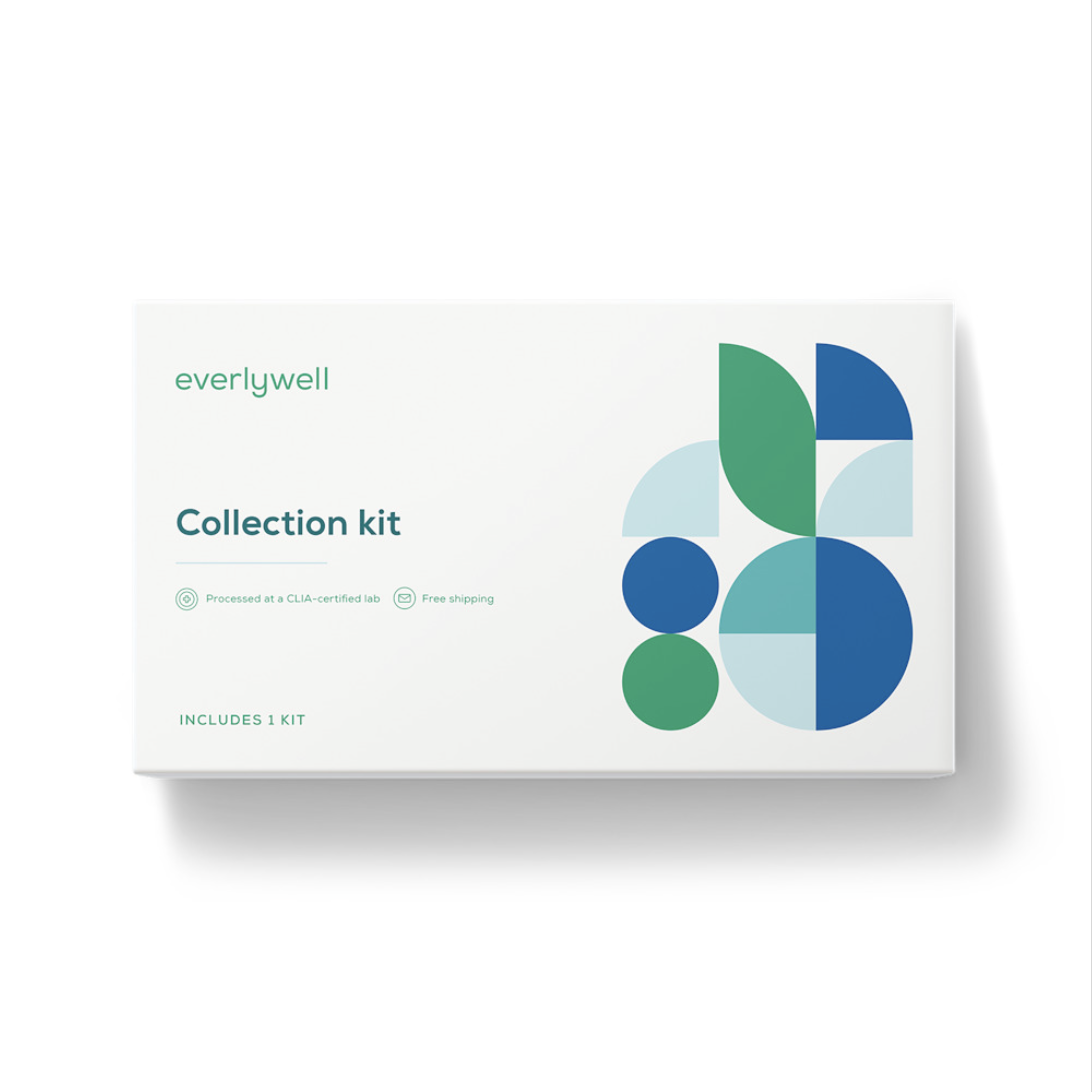
Everything you need to collect your sample and send it back, with free shipping both ways.
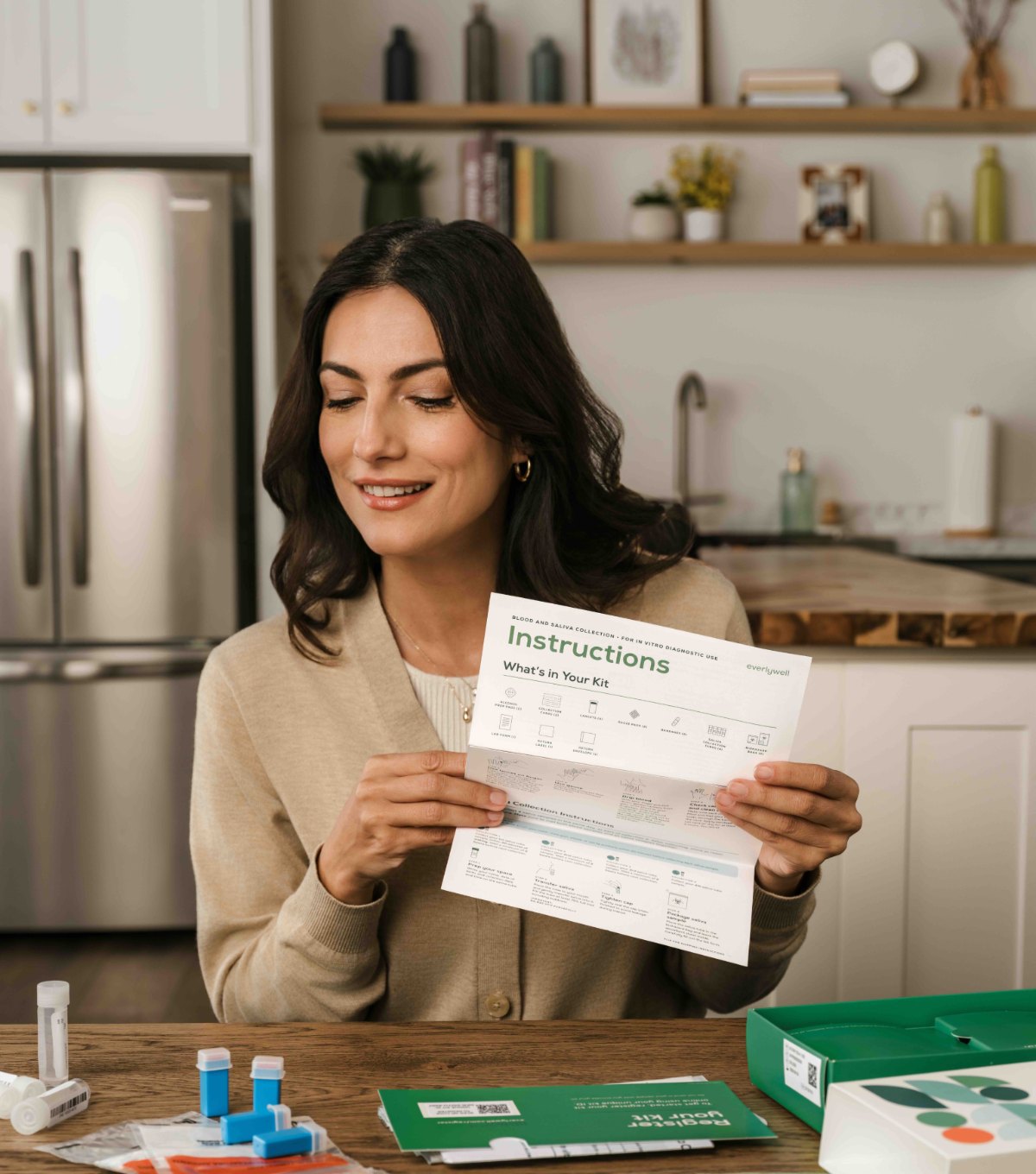
Collection card
Circles to fill with a few drops of blood. Let it dry before you pack it.
Two lancets
Single-use and spring-loaded: a quick, shallow prick. The second is a spare.
Alcohol pad, gauze and bandage
Clean the fingertip first, cover it after.
Prepaid return mailer
Addressed to the lab. Drop it in any USPS mailbox, ideally the same day.
Instructions and kit ID
Register the ID online before you collect, so your results reach your account.
Four steps, from your door to your results
- Day 1
Order and time it right
Order online and your kit ships free in discreet packaging. Some infections take time to show up on a test, so testing too soon after an exposure can miss one.
- Days 2 to 7
Register, collect, and ship
Register your kit ID online, then collect a few drops of blood from a quick finger prick onto the card. Let it dry, then mail it back with the prepaid label.
- Days 10 to 14
Get your results
Physician-reviewed results post to your secure account, showing whether syphilis antibodies were detected in your sample. Only you can see them.
- After your results
Know your next step
If your result is positive, a clinician from our independent network reaches out about next steps. Don’t try to treat an STI on your own.
A positive antibody result means more testing is needed to confirm a diagnosis. Your healthcare provider can help with what comes next.
What your results tell you
Each infection is reported as positive or negative, with what to do next.
- A clear positive or negative result for each infection
- If a result is positive, a clinician from our independent network reaches out about next steps
- Guidance on when to retest and how to talk with partners
- Results you can share with your healthcare provider
Clinical-grade testing, from the comfort of home.
From the lab to your report, every step of our process meets the gold standard in medical testing.
CLIA-certified labs
Every lab we partner with is certified under the Clinical Laboratory Improvement Amendments, meeting both state and federal standards with regular independent inspections.
We protect your health data
We protect your health data with encryption and do not sell it. Some results must be reported to public health authorities by law. See our Privacy Notice.
Rigorous quality assurance
All partner labs run regular internal quality checks, participate in proficiency testing, and comply with federal and state lab regulations.
Clinician-reviewed reports
Results are reviewed by an independent, licensed clinician.
Related tests
Questions
Common questions.
Anything else, our care team answers by phone, text, or email.
Syphilis is a bacterial infection caused by the bacterium Treponema pallidum. It’s spread by sexual contact, including vaginal, anal, and oral sex, with someone who has an active infection. This test won’t be able to tell you the specific site of the infection, but it will be able to detect whether you have an active or past syphilis infection.
The Everlywell Syphilis Test screens for antibodies which are generated by an immune response following exposure to the bacterium Treponema pallidum. These antibodies remain in your system even after syphilis has been treated. Therefore, the Everlywell Syphilis Test is not recommended for anyone who has been previously diagnosed with syphilis, and cannot be used to monitor treatment.
Over 133,945 new cases of syphilis were reported to the Centers for Disease Control and Prevention (CDC) in 2020, and the total number of people with infections in the United States has been increasing over the past few years.
Pregnant people infected with syphilis can spread it to their unborn children during pregnancy (resulting in congenital syphilis). Men who have sex with men and men who have sex with all sexes comprise the largest group of infected individuals, totaling just over 43% of all reported cases to the CDC in 2020. The CDC recommends the following groups of people get tested for syphilis:
- Anyone who has had sexual contact with a person known to be infected with syphilis
- Men having sex with other men (regardless of sexuality)
- Pregnant women
- Sexually active people with HIV infections
- Anyone taking PrEP for HIV prevention
This test is used to detect the presence or absence of the immunoglobulin G (IgG) syphilis antibody. Your test results will show if antibodies were detected in your sample.
As with all Everlywell tests, our at-home lab test is delivered in discreet packaging and taken in the privacy of your own home. Once you return your blood sample to our network of labs and your sample is processed, you’ll be notified via email when your results are ready. You will then be able to access your test results through an easy-to-read dashboard on our secure online platform.
This test is a treponemal test, which means that it looks for antibodies to the syphilis-causing bacterium. Because antibodies remain in the blood following infections, this test cannot be used to differentiate between an active syphilis infection and a successfully treated syphilis infection. In the event that your test result is positive or abnormal, you’ll have the opportunity to connect with our independent physician network at no additional cost to discuss your particular case and determine next steps, which may include confirmatory testing.
The Syphilis Test checks whether or not you test positive for antibodies against Treponema pallidum, the bacterium that causes syphilis. In the event that your test results are positive or abnormal, an associate from our independent physician network will contact you directly to discuss your particular case as well as provide information on how to take the next steps, which may include confirmatory testing.
In rare cases, you may not receive a definitive test result because of early syphilis infection or inadequate sampling. If the sample is inadequate, Everlywell will suggest repeat testing. Know where you stand with our at-home Syphilis Test.
A syphilis infection is associated with certain signs and symptoms based on the phase of the infection:
- The earliest stage (or “primary syphilis”) is associated with a firm, round, painless sore on the genitals. The sore, called a “chancre,” usually goes away after several weeks, even if the infection isn’t treated.
- Untreated syphilis can advance to a secondary syphilis stage of infection, which can be characterized by skin rashes, fever, patchy hair loss, headaches, muscle aches, fatigue, and other symptoms.
- The latent stage is the next stage of an untreated syphilis infection. Latent syphilis often occurs without obvious signs or symptoms, but that doesn’t mean the infection has gone away. On the contrary, during the latent syphilis stage, the infection persists in the body, sometimes for years, and can ultimately lead to tertiary syphilis, which damages organ systems like the nervous system, heart, and eyes.
Neurosyphilis
In some cases, syphilis bacteria can attack the nervous system, resulting in “neurosyphilis.” Neurosyphilis, a condition that can develop at any point in a syphilis infection, can lead to severe brain disorders characterized by dementia, loss of muscle coordination, and more.
Because the signs and symptoms of neurosyphilis are similar to those of other disorders, a diagnosis requires lab testing via a lumbar puncture, or “spinal tap” (so spinal fluid can be analyzed).
More specifically, in a lumbar puncture, a needle extracts a sample of cerebrospinal fluid from the spinal cord (the system of nerves and vertebrae that runs down the back and transmits signals between the brain and the rest of the body). The cerebrospinal fluid is then checked for syphilis bacteria to determine if the infection has reached the nervous system.
If you suspect that you may be experiencing symptoms of neurosyphilis, contact an in-person healthcare provider immediately.
Two types of syphilis tests can screen for and diagnose syphilis (along with consideration of signs and symptoms potentially caused by this sexually transmitted disease). Syphilis testing can be done with a treponemal test or a non-treponemal test. Both syphilis tests are required to confirm a diagnosis.
Treponemal tests
Treponemal tests check blood samples for antibodies that react with certain molecules (syphilis antigens) that are unique to the syphilis bacterium. (Antibodies are specific compounds made by your body in response to bacterial infections, viruses, or other microbes. They help tag foreign pathogens for destruction by the body’s immune cells.)
The Everlywell Syphilis Test, which lets you check for syphilis antibodies from the privacy and convenience of home, is a treponemal test.
Non-treponemal tests
Non-treponemal tests are some of the oldest antibody tests that check for syphilis antibodies, and are widely used by many laboratories since they are needed for diagnosing an infection.
During an active infection, syphilis bacteria produce a very specific compound known as “cardiolipin-lecithin-cholesterol.” In response, your immune system makes antibodies that react with this compound that tell your immune system’s defender cells where the infection is taking place in the body.
Non-treponemal tests measure how much, if any, of these syphilis antibodies are in a blood test sample. The Rapid Plasma Reagin antibody test (or RPR test) and Venereal Disease Research Laboratory test (also known as a VDRL test) are some of the most commonly used. Both the RPR test and VDRL test evaluate antibodies in your blood to determine if you have been infected with bacteria that cause syphilis.
Treponemal tests give either a “positive” or “negative” result. Treponemal tests are often used as screening tests, where a positive result indicates that additional testing for syphilis is needed to confirm the diagnosis.
Non-treponemal tests can give a numerical result because these tests measure the amount of antibodies that react with syphilis bacteria compounds. This makes non-treponemal tests useful for determining what stage the infection is in, and how the infection responds to treatment (based on the amount of antibodies in the blood sample).
In certain specific clinical situations, rapid tests that check for syphilis and give results in 10 to 15 minutes may be used, but additional syphilis testing with a nontreponemal test is needed for a diagnosis (in the event of a positive result on the rapid test).