Hepatitis C Test
Hepatitis C antibodies, from one finger prick.
- Free shipping, both ways
- FSA / HSA accepted, or pay over time
- Ships to every state except New York
About this test
This at-home lab test checks for exposure to the hepatitis C virus (HCV). If your test results are positive or abnormal, you’ll have the opportunity to connect with our independent physician network at no additional cost to discuss your case.
- Measures hepatitis C antibodies
- Finger prick sample

Who should take this test?
The Centers for Disease Control and Prevention (CDC) recommends that anyone born between 1945 and 1965 take a hepatitis C antibody test at least once. If you use injectable drugs or you’re sexually active and want to know your status, regular testing is a simple way to keep yourself healthy and prevent the spread of STIs (or STDs). People with HCV infections can experience symptoms 2-12 weeks following exposure: symptoms range from mild, even undetectable, to severe.
Other groups at higher risk
- People who are current or former injection drug users
- People who are on dialysis for kidney failure
- Those who are HIV positive
- Those who have a mother with hepatitis C
- Those who have undergone body modification (like tattooing) without the use of sterile instruments
- People who received a blood transfusion or organ donation before 1992, or clotting factor replacement therapy before 1987 (clotting factor replacement is used to treat hemophilia)
Body
- Fatigue
- Joint pain
- Fever
Eyes
- Yellowing of the skin or eyes (jaundice)
Groin
- Dark urine
Stomach
- Loss of appetite
- Nausea
- Abdominal pain
What does this test measure?
Your results will tell you whether or not you’ve been exposed to the hepatitis C virus (HCV). If your results are positive or abnormal, you’ll be able to connect with our independent physician network at no additional cost.
- Hepatitis C
- Hepatitis C is a liver infection caused by the hepatitis C virus (HCV), a blood-borne virus. HCV is more commonly transmitted through needles or blood exposure, but can also rarely be spread through sexual intercourse.
What’s in the box
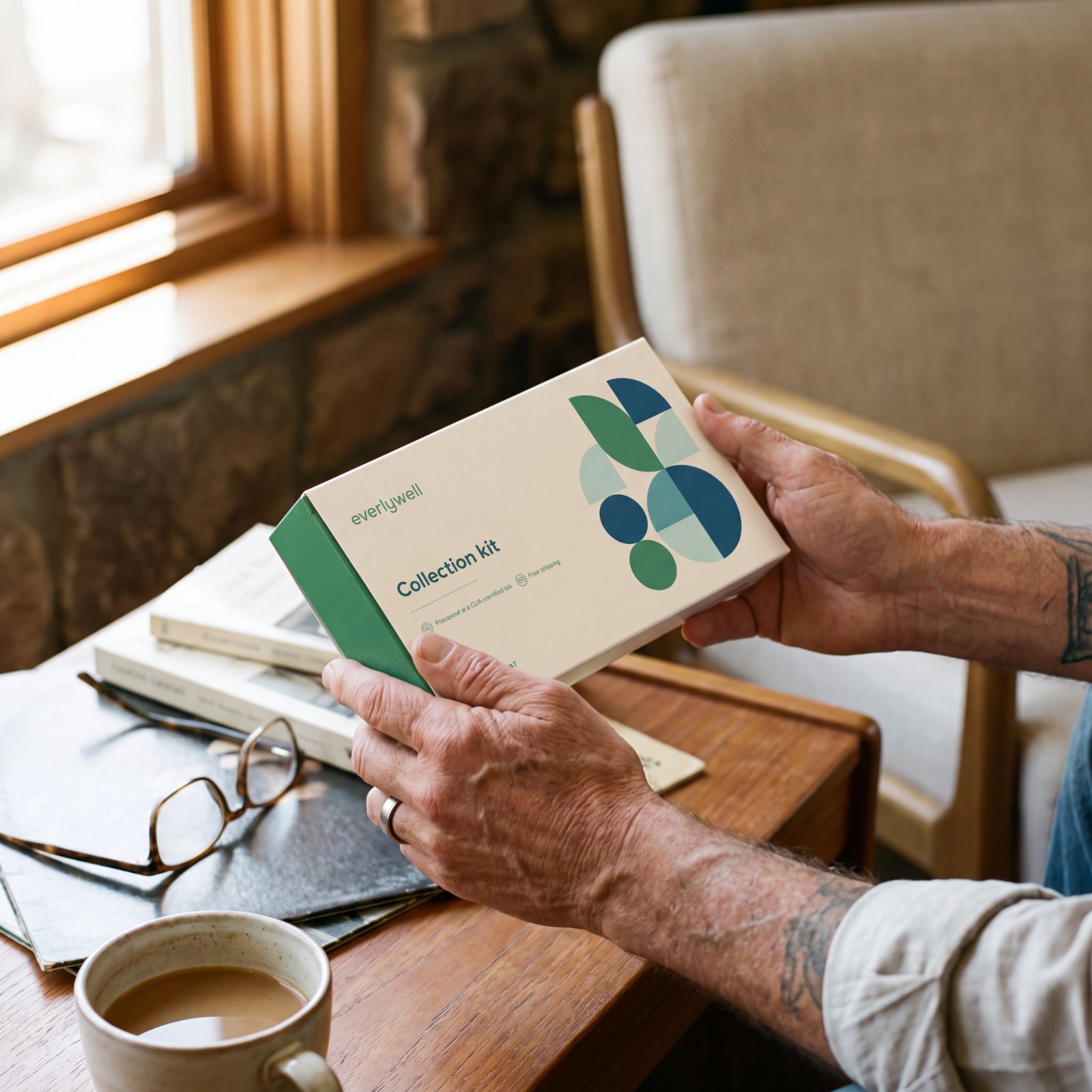
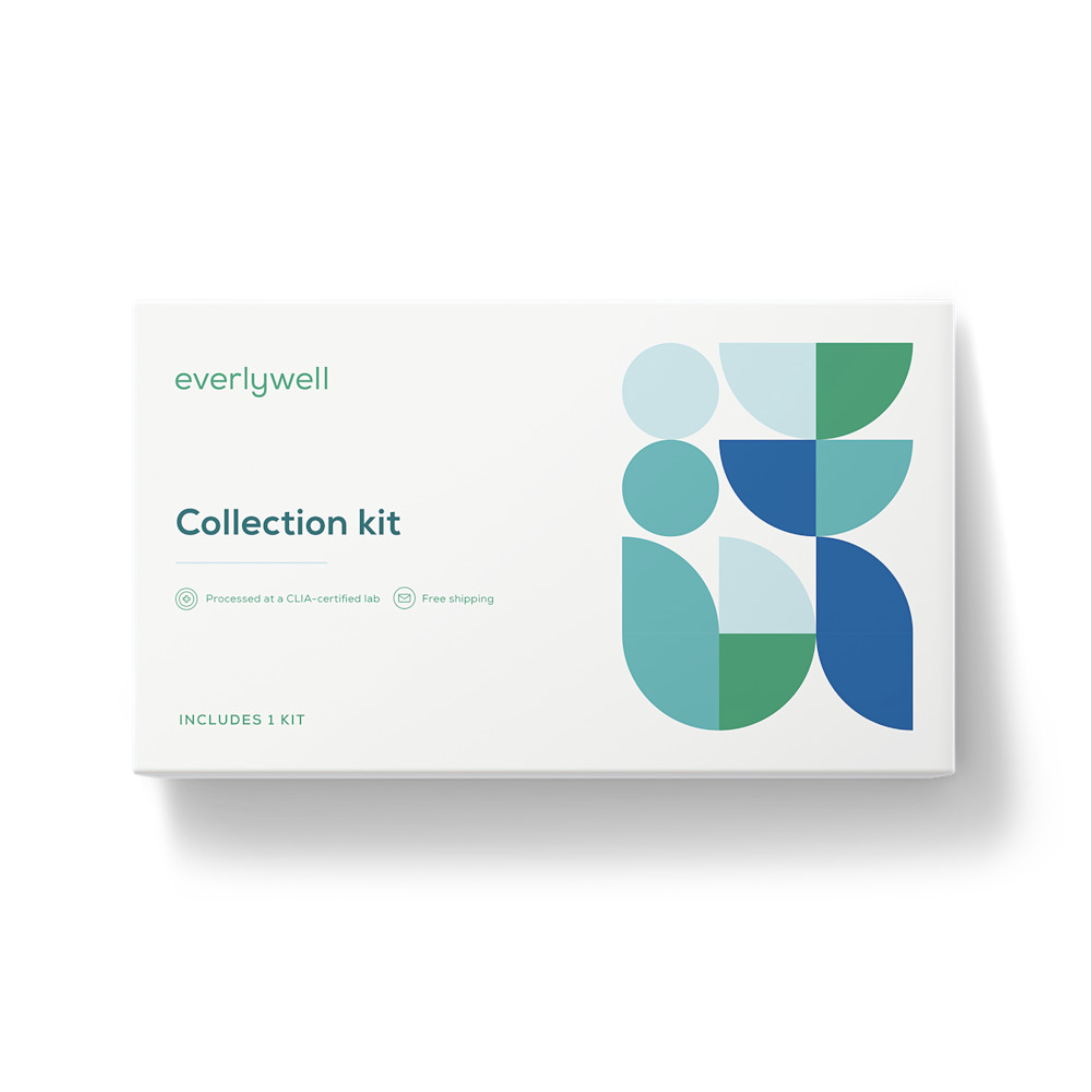
Everything you need to collect your sample and send it back, with free shipping both ways.
Collection card
Circles to fill with a few drops of blood. Let it dry before you pack it.
Two lancets
Single-use and spring-loaded: a quick, shallow prick. The second is a spare.
Alcohol pad, gauze and bandage
Clean the fingertip first, cover it after.
Prepaid return mailer
Addressed to the lab. Drop it in any USPS mailbox, ideally the same day.
Instructions and kit ID
Register the ID online before you collect, so your results reach your account.
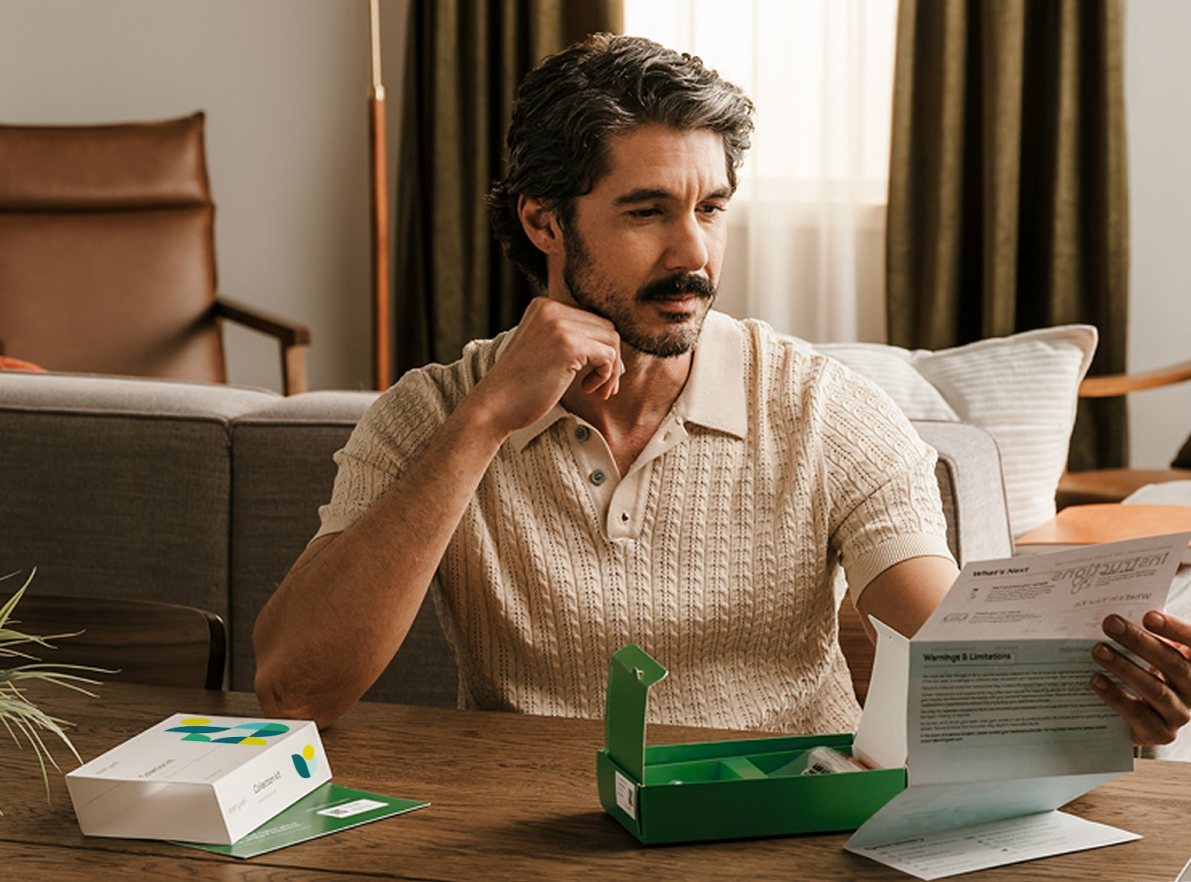
Four steps, from your door to your results
- Day 1
Order and time it right
Order online and your kit ships free in discreet packaging. Some infections take time to show up on a test, so testing too soon after an exposure can miss one.
- Days 2 to 7
Register, collect, and ship
Register your kit ID online, then collect a few drops of blood from a quick finger prick onto the card. Let it dry, then mail it back with the prepaid label.
- Days 10 to 14
Get your results
Physician-reviewed results post to your secure account, showing whether hepatitis C antibodies were found in your sample. Only you can see them.
- After your results
Know your next step
If your result is positive, a clinician from our independent network reaches out about next steps. Your healthcare provider can order follow-up testing.
Some positive results must be reported to your state health department by law. Those reports are confidential.
What your results tell you
Each infection is reported as positive or negative, with what to do next.
- A clear positive or negative result for each infection
- If a result is positive, a clinician from our independent network reaches out about next steps
- Guidance on when to retest and how to talk with partners
- Results you can share with your healthcare provider
Clinical-grade testing, from the comfort of home.
From the lab to your report, every step of our process meets the gold standard in medical testing.
CLIA-certified labs
Every lab we partner with is certified under the Clinical Laboratory Improvement Amendments, meeting both state and federal standards with regular independent inspections.
We protect your health data
We protect your health data with encryption and do not sell it. Some results must be reported to public health authorities by law. See our Privacy Notice.
Rigorous quality assurance
All partner labs run regular internal quality checks, participate in proficiency testing, and comply with federal and state lab regulations.
Clinician-reviewed reports
Results are reviewed by an independent, licensed clinician.
Related tests
Questions
Common questions.
Anything else, our care team answers by phone, text, or email.
You are at a greater risk of having the hepatitis C virus (HCV, also referred to as hep C) if you:
- Are a current or former injection drug user
- Are on dialysis for kidney failure
- Are HIV positive
- Have a mother with hepatitis C
- Have undergone body modification (like tattooing) without the use of sterile instruments
- Received a blood transfusion or organ donation before 1992, or clotting factor replacement therapy before 1987 (clotting factor replacement is used to treat hemophilia)
- Were born between 1945 and 1965
The Centers for Disease Control and Prevention (CDC) recommends that anyone born between 1945 and 1965 take a hepatitis C antibody test at least once. If you have never done testing for the hepatitis C virus, our at-home hep C lab test makes it easy to collect a small sample of blood (via a simple finger prick) from the convenience of home. Our HCV antibody test, sometimes called an anti-HCV test, checks if you have been exposed to the virus by looking for antibodies released by the immune system in response to the hepatitis C virus.
Hepatitis C is a bloodborne virus that is spread when blood from an infected individual enters the body of someone who is not infected. The HCV infection can cause both chronic and acute hepatitis in an individual.
Acute hepatitis describes individuals who have only had the hepatitis C virus infection for 6 months or less, which is considered an acute hepatitis C infection. In chronic hepatitis cases, the infection is long-term. A chronic infection is a significant risk factor for liver disease and liver cancer, and is potentially life-threatening if left untreated.
If you think you may be at risk of viral hepatitis, taking our hep C kit can help you check if you have been exposed to this HCV. Our HCV test is quick and easy to take (you collect a sample at home and send it to a lab for testing), and you can conveniently view your HCV screening results on our secure, online platform.
The most common way to contract hepatitis C is through needles (sharing needles for drug use or healthcare workers that have accidental sticks with hepatitis C contaminated needles from infected patients). Pregnant people infected with hepatitis C can spread the virus to their children at the time of birth. Less common ways to spread hepatitis C or HCV transmission include sexual contact, sharing personal care items like razors, and getting body modification procedures, such as tattoos and piercings, in non-sterile environments.
If you suspect you may have a hepatitis C infection, taking a hepatitis C test can be a great start in addition to consulting your healthcare provider for next steps. Our at-home hepatitis C test is a convenient way to check for exposure to this virus. To check for hepatitis C with this test, you just collect a small sample of blood with a simple finger prick, then ship the sample to a lab for testing with the prepaid shipping label that comes with the kit.
If your results from our hepatitis C testing indicate that you have been exposed to HCV, it’s best to share your results with your healthcare provider right away so you can take the next steps they recommend, which may include confirmatory testing. You will also be able to connect with our independent physician network at no additional cost to discuss your particular case.
This hepatitis C screening test checks whether you have antibodies against hepatitis C. In the event that your test results are positive or abnormal, an associate from our independent physician network will contact you directly to discuss your particular case as well as provide information on how to take the next steps, which may include confirmatory testing. In rare cases, you may not receive a definitive result because of short post-exposure time or inadequate sampling, and repeat testing is suggested.
As is the case with all STI testing, whether through Everlywell or your healthcare provider, we may be required by law to report positive test results to certain state health departments. These reports of infection are confidential and used by state health departments as a means of disease surveillance to inform disease prevention activities.
According to the CDC, a hepatitis C virus infection often occurs without any immediate symptoms. In some cases, though, an infection can lead to symptoms that typically appear 2-12 weeks after exposure. These symptoms can include nausea, pain in the upper right part of the abdomen, dark urine, and jaundice (a yellow discoloration affecting the skin and whites of the eyes).
Chronic hepatitis C virus (HCV) infection can also trigger inflammation in the liver. Over time, this inflammation can contribute to severe liver damage and result in chronic liver disease (including cirrhosis, scarring of the liver tissue), liver cancer, and liver failure.
In fact, long-term, or chronic HCV infections are the main cause of chronic liver disease and liver cancer in the United States. (A chronic HCV infection refers to an infection lasting more than 6 months.) The damage hepatitis C causes the liver can be life-threatening, and it’s estimated that there are now more HCV-related deaths in the United States vs. deaths resulting from HIV.
Hepatitis C diagnosis
Because HCV infections often come without symptoms, hepatitis C blood tests, which check for antibodies against HCV, are typically used as the first step in diagnosing infections. Screening for hepatitis C can now be done from the convenience and privacy of your home with the Everlywell Hepatitis C Test.
If you test positive on an antibody-based test, confirmatory testing, or confirming a positive test result with another method, is usually the next step. Confirmatory testing is done with a nucleic acid test that detects HCV RNA. This type of test checks your body for genetic material, or RNA, that belongs to the hepatitis C virus.
If you test positive on both types of tests, it is recommended that you seek immediate medical treatment for both the infection and any liver damage that may have occurred.
Hepatitis C treatment
Direct-acting antivirals (DAAs), taken orally, are the main form of treatment for active HCV infections. Treating an HCV infection as soon as possible is vital for the health of your liver. Not only does treatment reduce long-term complications, but is also highly effective in curing HCV infections (meaning no detectable HCV RNA on a nucleic acid test) and typical regimens only last 8-12 weeks.
If you think you may have been exposed to HCV or have developed a hepatitis C infection, HCV testing (such as with our at-home hepatitis C screening option) is a good next step to take, along with alerting your healthcare provider.